People
Principle Investigator
| 1239 Siping Road, Shanghai 200092 | |
| 08chenfeiwang@tongji.edu.cn | |
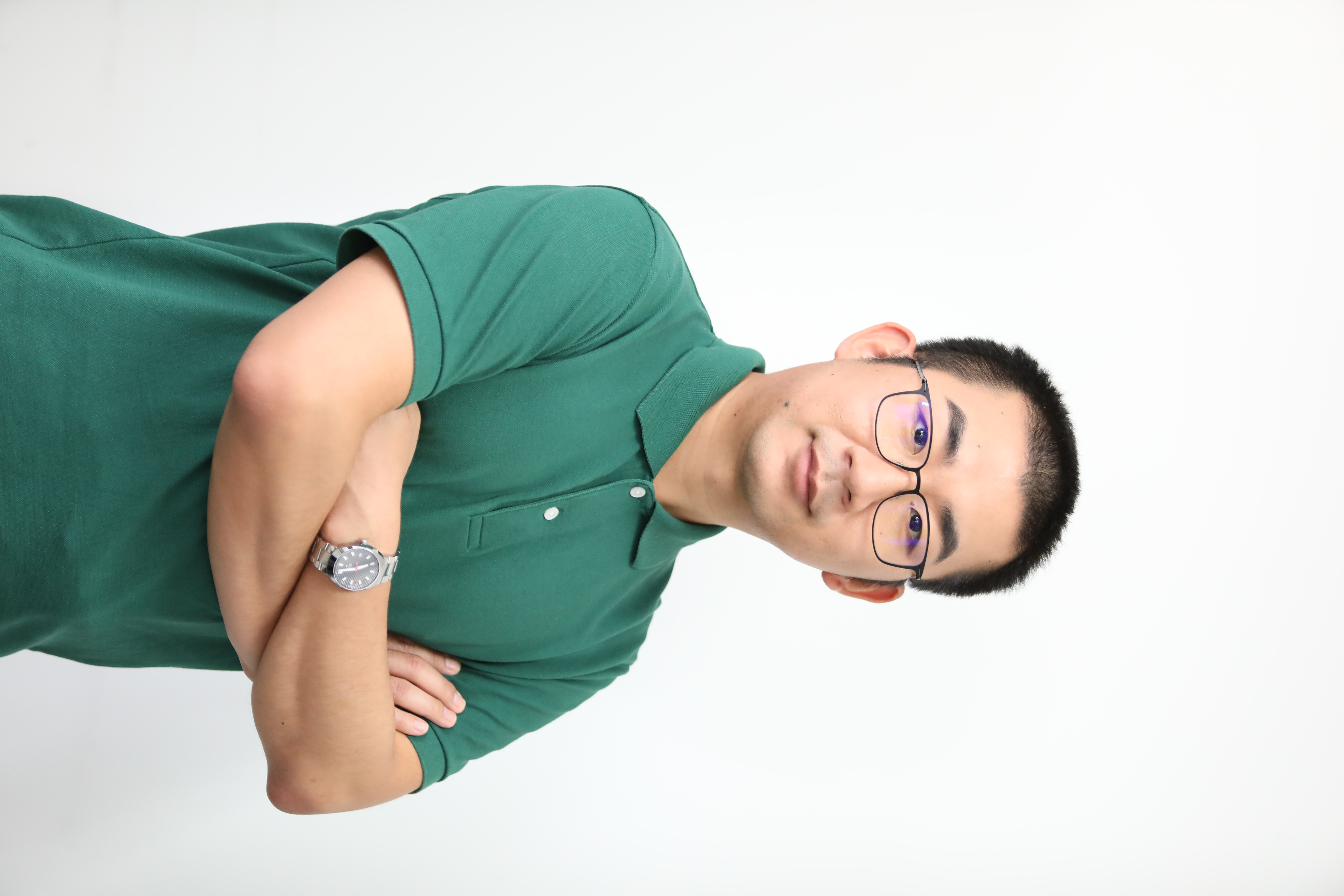
Chenfei Wang
Chenfei Wang is a Professor in the Department of Bioinformatics at Tongji University and an adjunct fellow at the Sycamore Research Institute of Life Sciences in Shanghai. He earned his BS and PhD in Bioinformatics from Tongji University, where he uncovered the epigenetic reprogramming mechanisms that regulate embryonic development through the integration of large-scale epigenome data. He completed his postdoctoral training with Xiaole Shirley Liu at the Dana-Farber Cancer Institute, where he developed algorithms for the integrated analysis of single-cell multi-omic data. His current research focuses on developing computational algorithms and conducting large-scale data mining of single-cell multiomic data to unravel the intricate mechanisms of gene regulation and cellular crosstalk that define cell identities and tissue architectures. By employing AI models on large-scale single-cell spatial multi-omic data, he aims to establish quantitative connections between cell identity and changes in tissue architecture linked to human disease phenotypes, ultimately translating this knowledge into clinical applications.
Staff
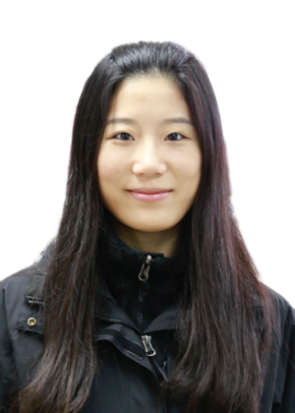
Qiu Wu
Qiu received her Ph.D. in Biotechnology from Tongji University in 2018. She joined Prof. Shaorong Gao's lab as a postdoctoral research fellow and studied the epigenetic regulation of human embryo development. She has published in Cell Stem Cell, Nucleic Acids Research, and other journals. Starting in 2023, Qiu is an assistant professor in the lab, focusing on investigating the epigenetic and metabolic crosstalk in the tumor microenvironment. Qiu has been supported by the Shanghai Super Postdoctoral Program and the National Natural Science Foundation Youth Fund.

Ya Han
Ya received her Bachelor’s degree in Bioinformatics from Harbin Medical University in 2018 and completed her Ph.D. in Bioinformatics at Tongji University in 2024. During her doctoral studies, she developed a pan-cancer tumor immune single-cell database, and identified profibrotic mechanisms that shape tumor immunity. She is currently a postdoctoral researcher in the Wang Lab, where her research focuses on developing spatial-domain algorithms based on tumor-related spatiotemporal data and applying them to pan-cancer datasets to investigate tumor microenvironment heterogeneity and responses to immunotherapy. Her work has been supported by the Shanghai Super Postdoctoral Program and the China Postdoctoral Science Foundation. She has published as (co-)first author in high-impact journals, including Nature Cancer, Nucleic Acids Research, and Genome Medicine.
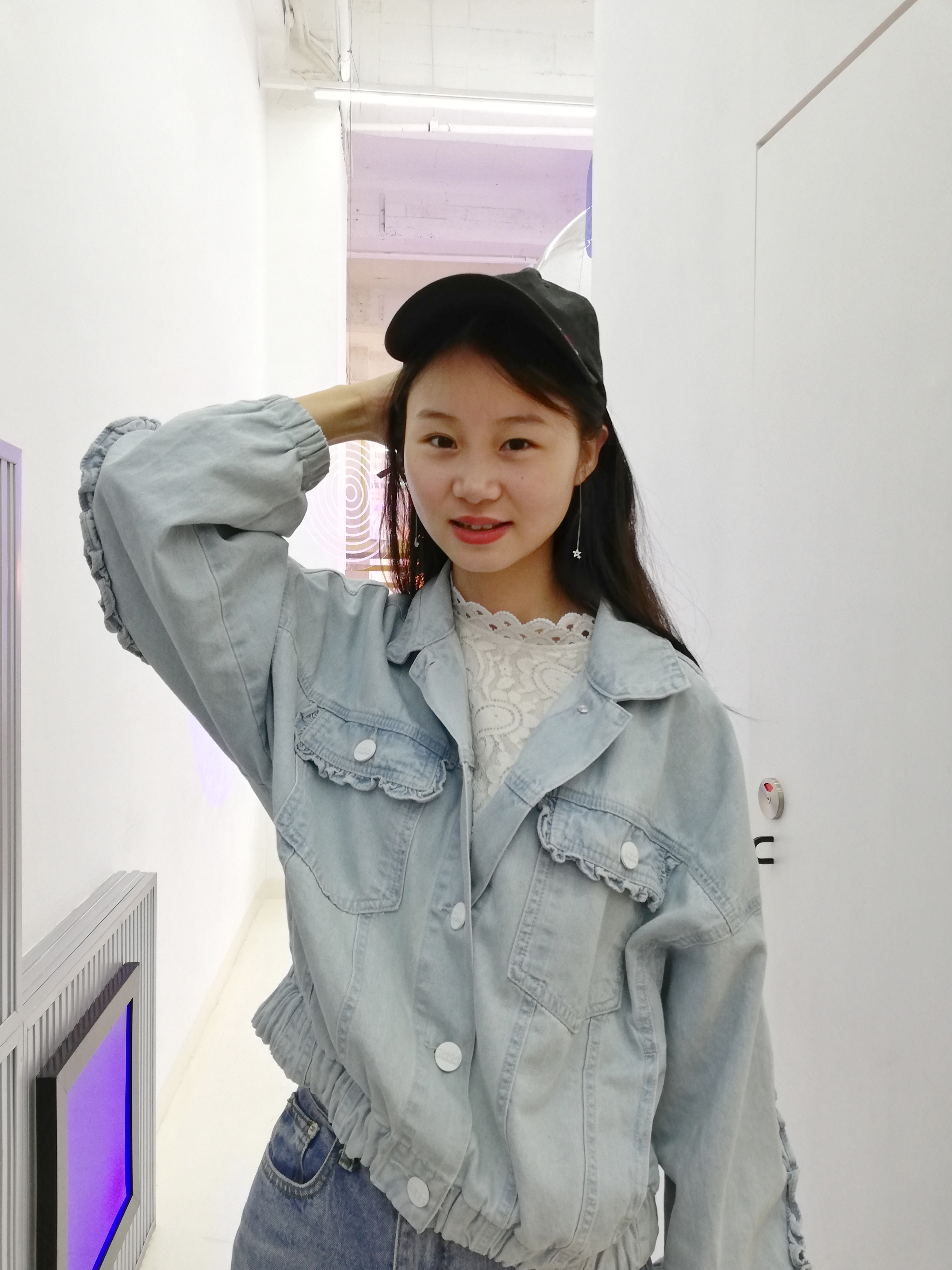
Ke Tang
Ke received her bachelor’s degree from the College of Life Sciences at Sichuan Normal University in 2020 and completed her Ph.D. in Bioinformatics at Tongji University in 2026. She has developed two computational tools for single-cell omics analysis including SCRIP, which uses scATAC-seq to infer transcriptional regulator activity and reconstruct cell state–specific gene regulatory networks, and MetroSCREEN, which uses scRNA-seq to infer tumor microenvironment metabolic states and identify associated regulators. Her research focuses on three areas including (1) building a predictive framework for metabolic–epigenetic regulatory axes using single-cell multi-omics to link regulatory programs to cell fate, state transitions, and disease progression; (2) applying this framework to lung cancer immunotherapy datasets to study tumor microenvironment remodeling, immune state changes, and immunotherapy response and resistance; and (3) developing an agent-based system to automate and intelligently assist key steps in single-cell and spatial multi-omics analysis, including preprocessing, annotation, regulatory inference, interpretation, and visualization.
Students
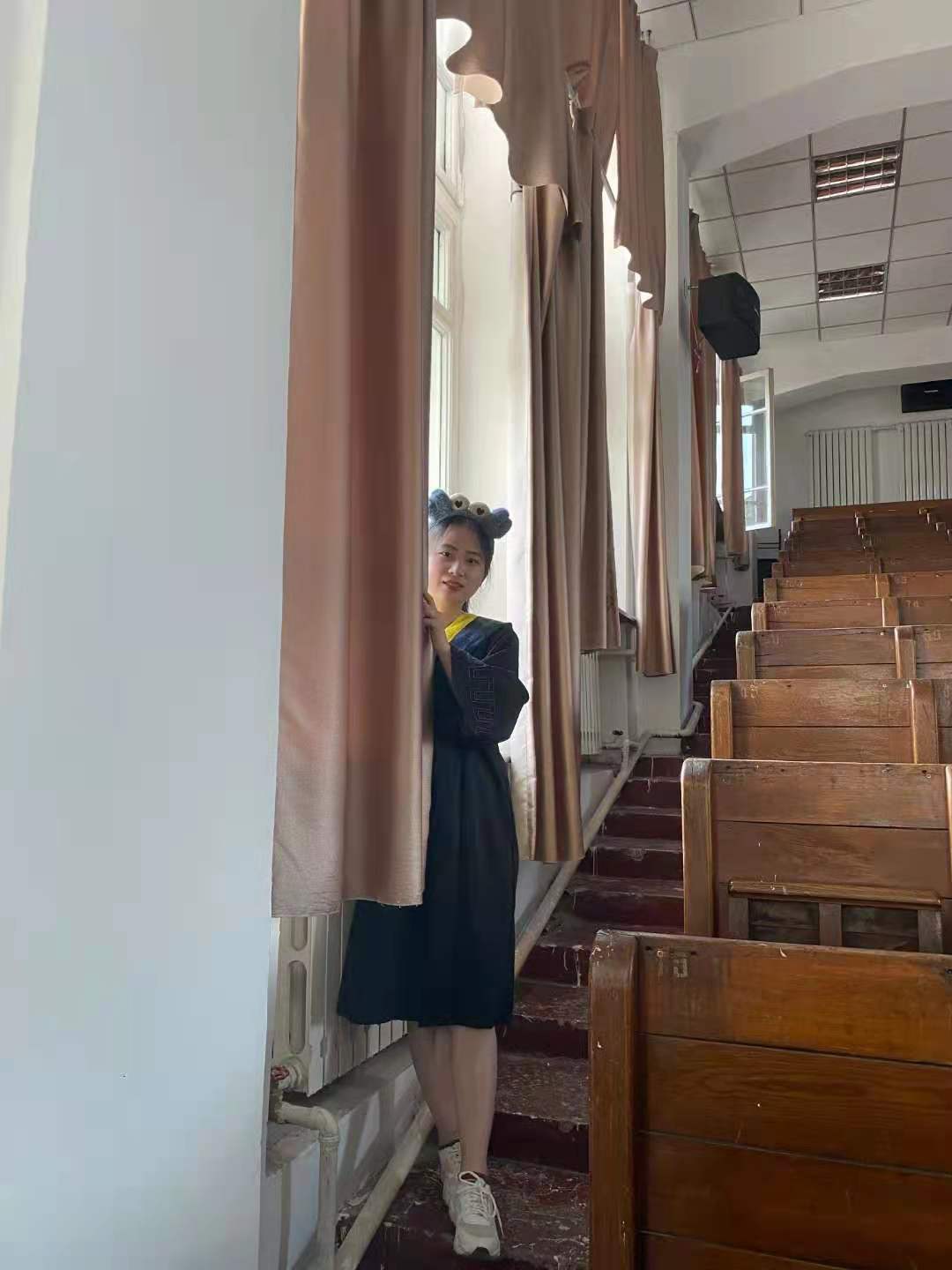
Yuting Wang
Yuting received her bachelor’s degree in Biomedical Engineering from Harbin Medical University in 2021. She has been involved in building TISCH, a pan-cancer tumor immune database. Her current research focuses on integrating public single-cell transcriptomic datasets of stromal cells to construct a robust stromal aging clock. She aims to characterize aging-associated molecular features and identify key genes and pathways driving stromal cell aging, with the goal of uncovering potential therapeutic targets for aging-related diseases.
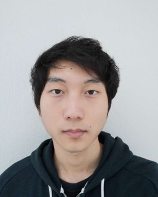
Zhaoyang Liu
Zhaoyang received his B.S. in Bioinformatics from Tongji University in 2021. He developed EvaCCI, a spatially informed evaluation workflow for scRNA-seq–based cell–cell interaction tools. His current research focuses on applying deep learning frameworks to single-cell and spatial multi-omics data analysis. His work mainly centers on two areas including (1) developing whole–transcriptome-wide cell–cell interaction prediction models for multiple-resolution spatial transcriptomics data, and (2) developing graph neural network–based translation models between spatial transcriptomics and spatial metabolomics.
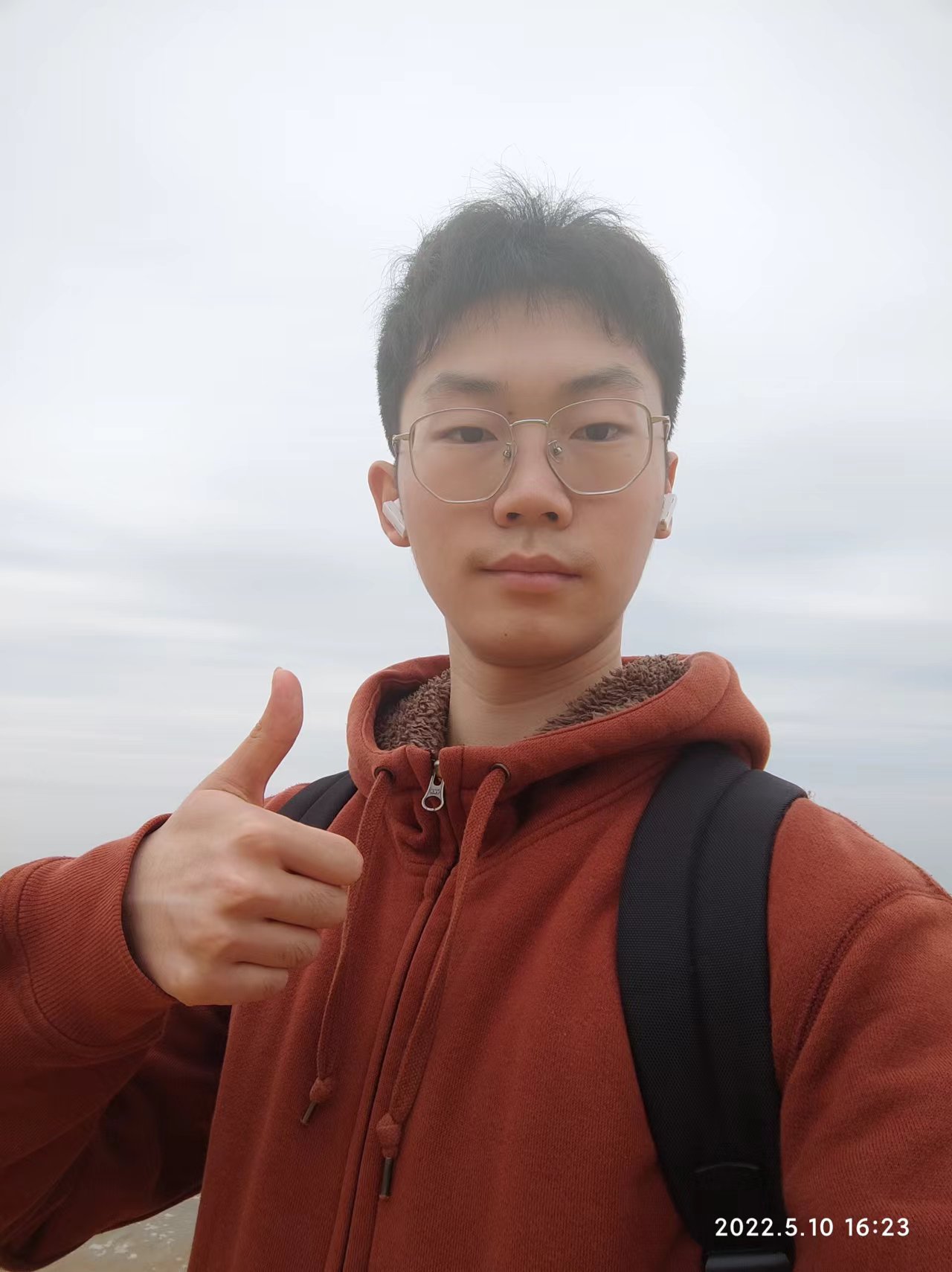
Qihang Zou
Qihang Zou earned his B.S. in Biotechnology from Shandong University in 2022. He developed Cisformer, a computational framework for cross-modality translation between scRNA-seq and scATAC-seq data. Cisformer is designed to bridge transcriptional profiles and chromatin accessibility patterns, enabling single-cell–resolution analysis of gene regulatory mechanisms. His current research focuses on developing single-cell–based tissue aging clocks to dissect relative aging rates across tissues at the gene level. He is also broadly interested in applying AI-driven approaches to aging biology and in discovering novel therapeutic strategies for aging-related diseases.
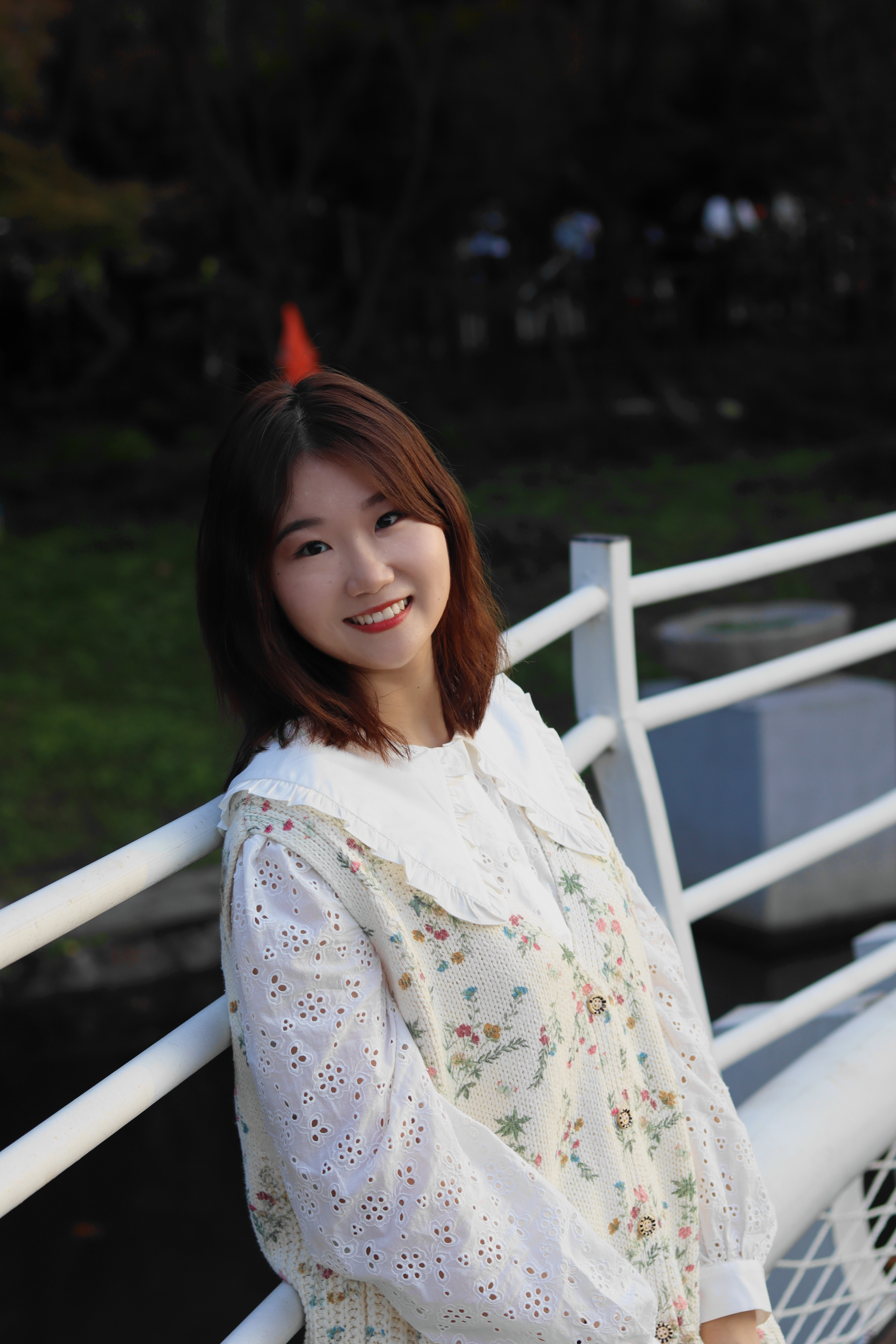
Zhonghua Dong
Zhonghua obtained a Bachelor’s degree in Bioinformatics from Huazhong Agricultural University in 2022 and a Master in Bioinformatics from Tongji University in 2025. Her core research focuses on the development of STARDUST, a spatial transcriptomics database with a multi-level visualization system for integrated analysis across single-slice, pairwise comparisons, and organ-wide integrations. The platform unifies high-quality spatial transcriptomic datasets across healthy and disease contexts and provides interactive, visually interpretable tools to support mechanistic studies in spatial biology.
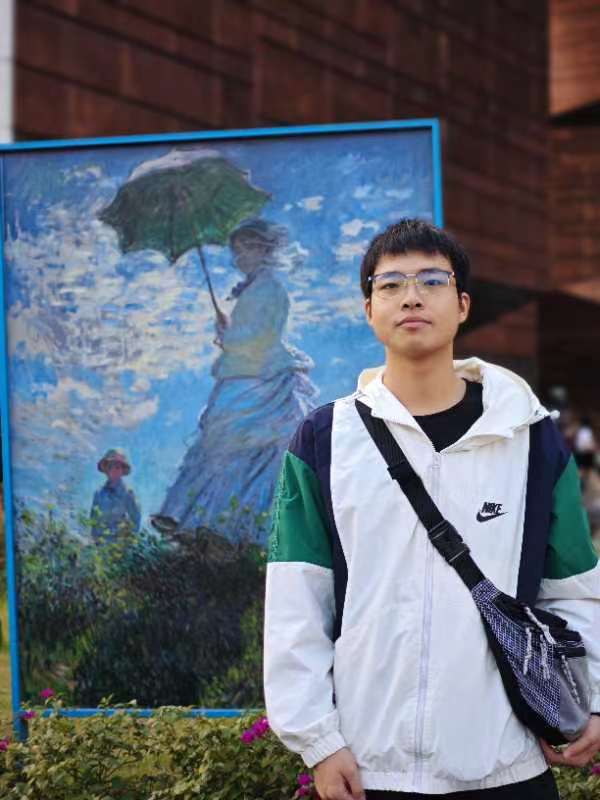
Tianrui Zhou
Tianrui received his bachelor’s degree in Bioinformatics from Soochow University in 2023. His research aims to uncover intrinsic principles of intracellular RNA organization directly from molecular coordinates, without relying on predefined compartments or marker-based assumptions. By integrating geometry-aware graph modeling, adaptive clustering, and scalable representation learning, he develops algorithms that transform spatial transcriptomics data into quantitative models of subcellular architecture. His long-term goal is to establish a unified computational framework for discovering, comparing, and mechanistically interpreting subcellular spatial organization across cells, tissues, and disease conditions.

Pengpeng Wu
Pengpeng received his bachelor’s degree in Biopharmaceuticals from Anhui Agricultural University in 2024. He is currently focused on building AI Virtual Cells (AIVC), with two core directions including (1) developing foundation models for multimodal data and (2) modeling single-cell perturbation responses. He is also exploring the use of reinforcement learning and AI agents to create more dynamic and interactive AIVC systems.
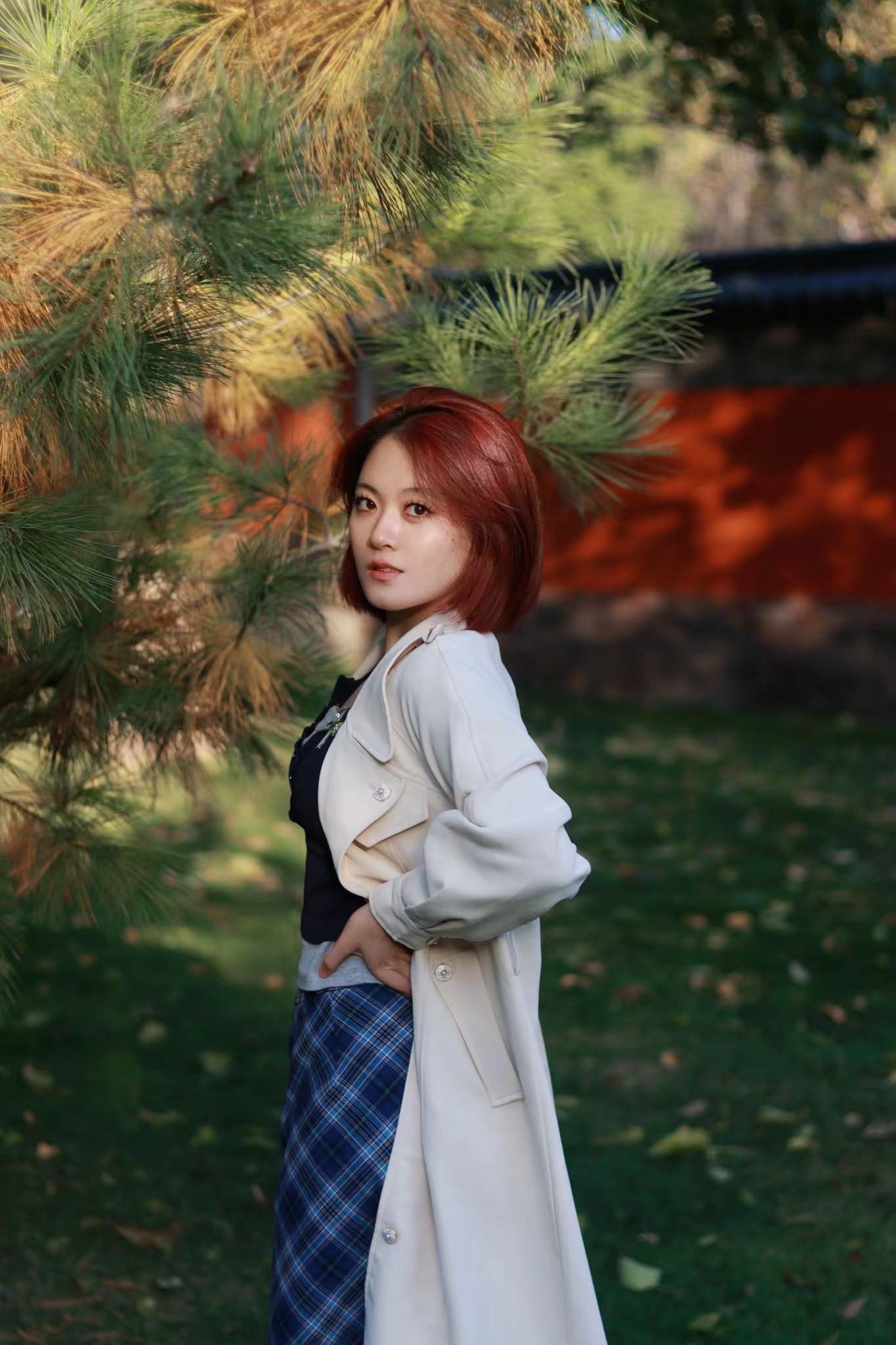
Xinwei Zheng
Xinwei Zheng received her bachelor’s degree in Biotechnology from Tongji University in 2024. She is currently studying PBMC aging using single-cell epigenome data. Her research aims to construct epigenetic aging clocks by developing computational strategies that effectively handle the high sparsity and non-linear nature of epigenomic data. She is also working to identify robust changes in individual aging-related cellular composition and epigenomic signatures that could serve as potential aging biomarkers.

Xuanxin Ding
Xuanxin received his bachelor’s degree in Bioinformatics from Tongji University in 2024. He is currently constructing a multi-tissue endothelial cell expression atlas across different age groups and developing QHAE, a sample-level age prediction model based on endothelial cell expression profiles, with the goal of achieving accurate and robust performance. He is also using the atlas to identify key factors and pathways that influence endothelial and overall aging, explore drivers that accelerate or decelerate aging, and discover potential drug targets.

Yongyan Wang
Yongyan received his bachelor’s degree in Bioinformatics from Fujian Medical University in 2024. His current research focuses on two cutting-edge areas including (1) developing and applying a cell-morphology large language model (LLM) at single-cell resolution to enable morphology-based virtual cell modeling, and (2) constructing pan-disease databases for large-scale, multimodal spatial transcriptomics data. His goal is to advance virtual cell morphology analysis to single-cell resolution while establishing robust links between morphological features and their underlying biological interpretability.
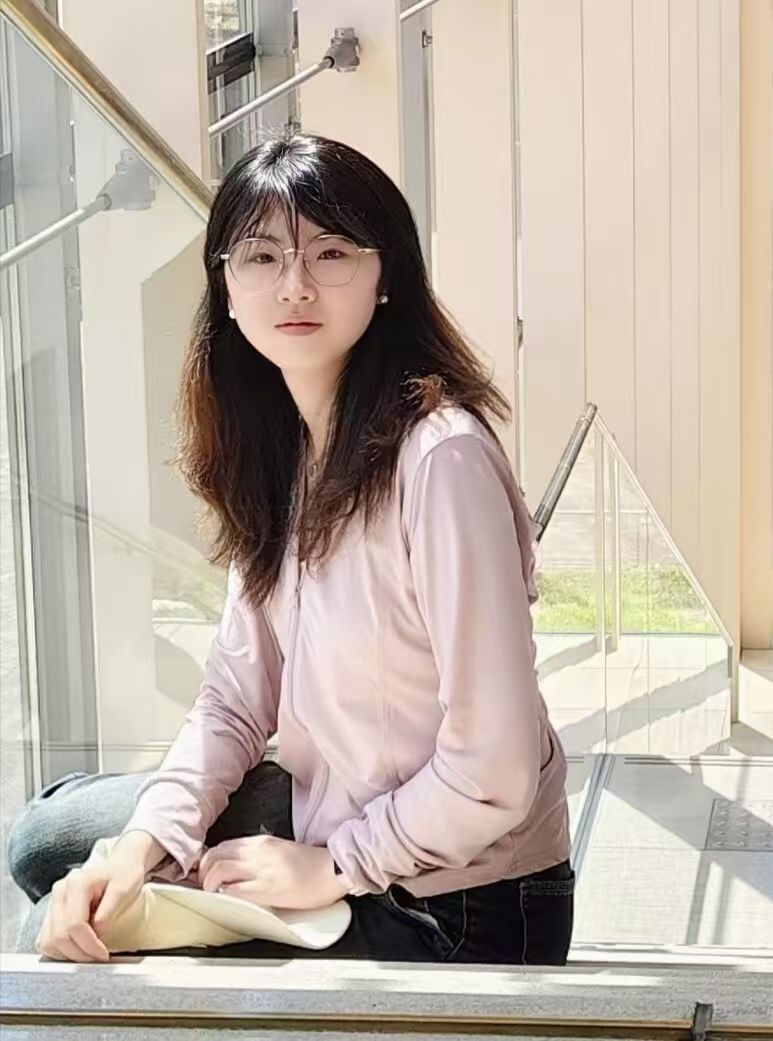
Leyi Zhang
Leyi received his bachelor's degree in Bioinformatics from Tongji University in 2025.Her research focuses on integrating large-scale PBMC single-cell transcriptomic datasets to construct robust aging clocks, systematically analyze aging-related molecular and cellular features across diverse immune cell types, and explore the key genes and pathways underlying immune system aging.
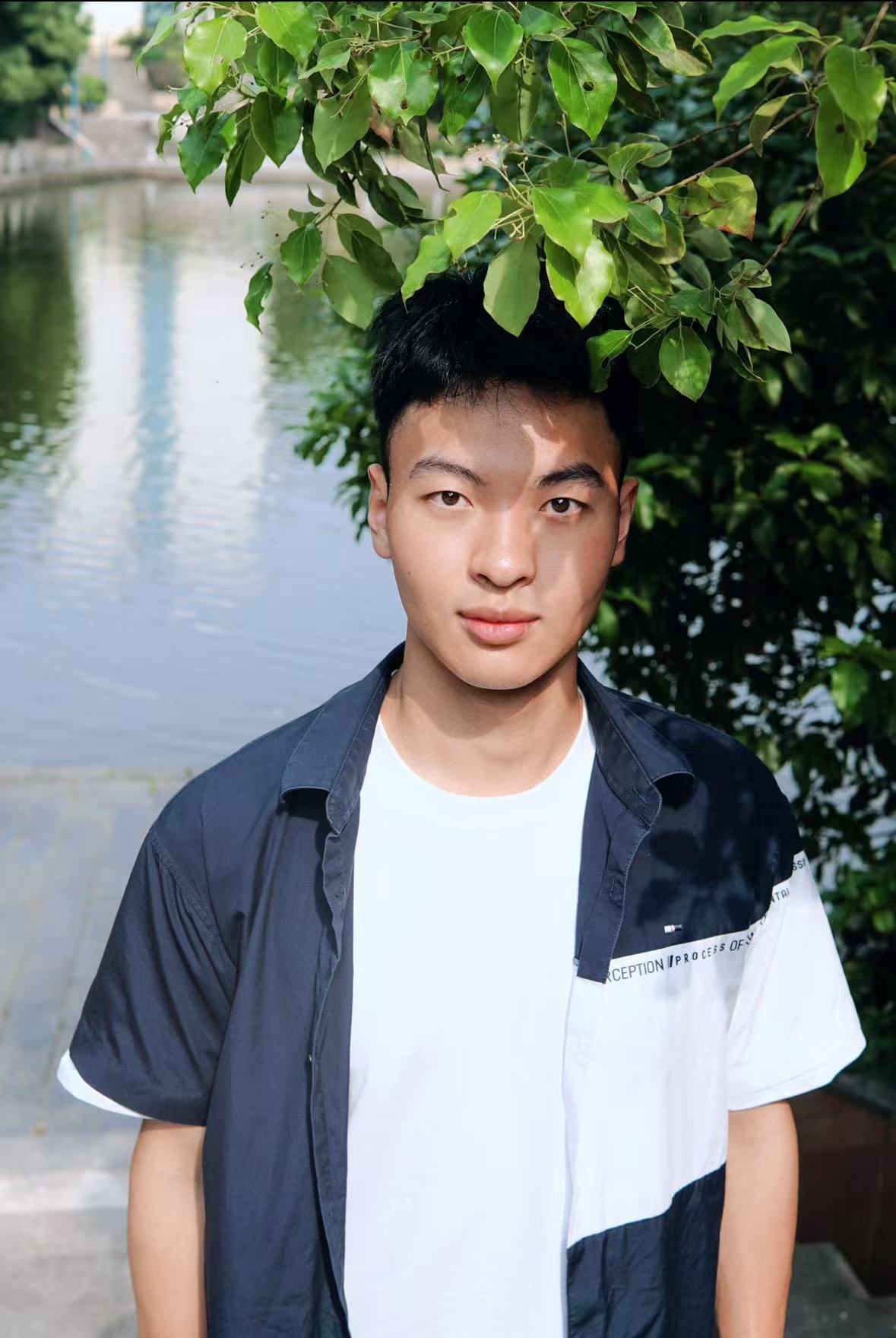
Xiantong Jiang
Xiantong received his bachelor’s degree in Biotechnology from Nanchang University in 2025. His research focused on developing computational algorithms for spatial cross-modality prediction to investigate gene–metabolite relationships. He is also interested in developing spatial multi-omics foundation models.
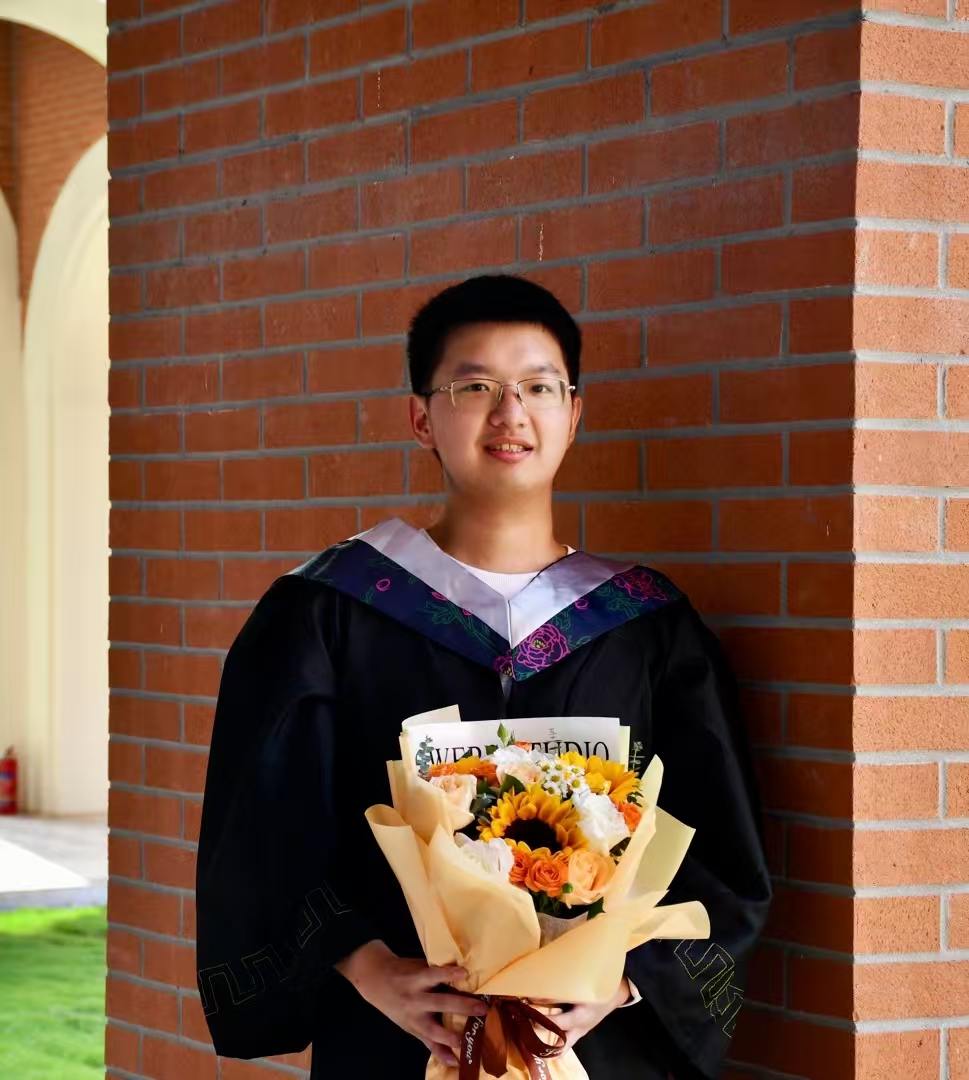
Yazi Li
Yazi obtained his bachelor's degree from the School of Mathematics and Statistics at Hainan University in 2025. His research focuses on two directions including (1) constructing virtual cell models to predict multimodal cellular responses to external perturbations, and (2) building AI scientists to assist automated bioinformatics research (vibe research). His goal is to develop generalizable virtual cell models and leverage AI agent technology to achieve interpretable and efficient bioinformatics research.
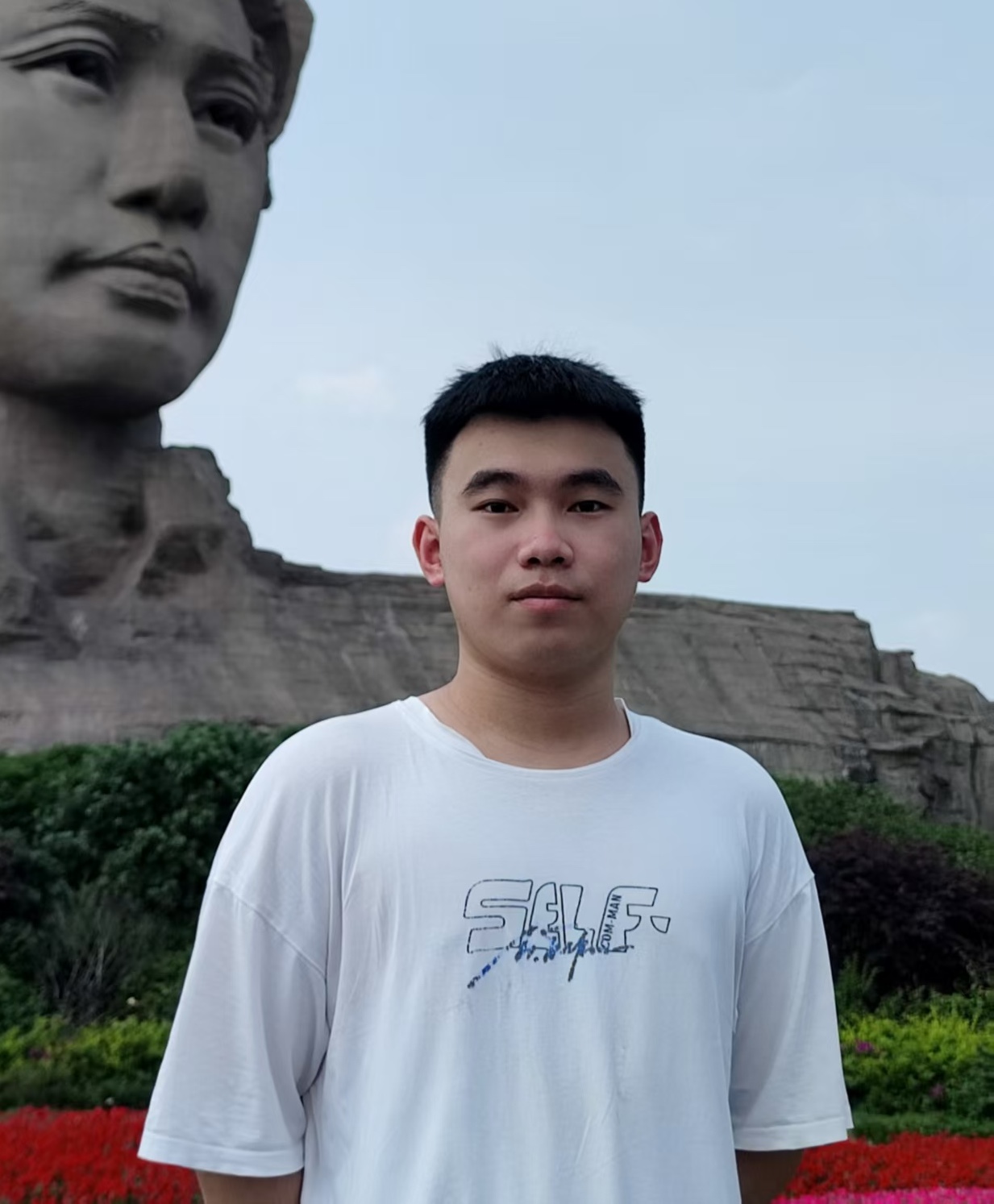
Zijia Lee
Zijia received his bachelor’s degree in Information and Computing Science from Guangdong University of Technology in 2025. His research focuses on developing artificial intelligence algorithms based on single-cell multi-omics data to elucidate mechanisms of gene regulation. His current work focuses on developing a single-cell and spatial epigenome generation model using a detection transformer.
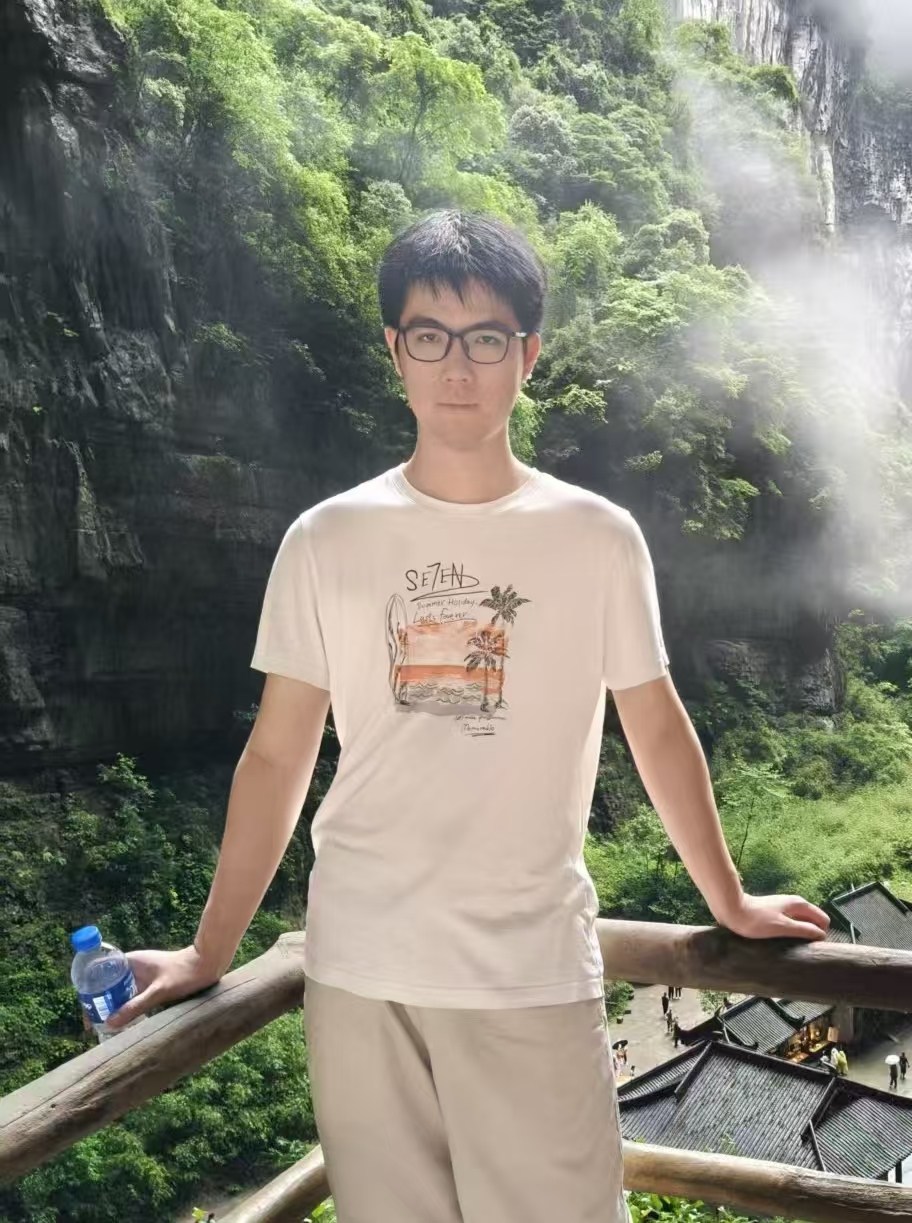
Rui Wang
Rui Wang received his B.Sc. degree from Soochow University in 2026. His research focuses on the computational analysis of single-cell and spatial transcriptomics data across multiple cancer types. By integrating single-cell RNA sequencing with spatial transcriptomic profiling, he aims to dissect tumor heterogeneity and characterize the spatial organization of the tumor microenvironment, including immune-cell infiltration, cell-cell communication, and the interplay between malignant and surrounding stromal cells.
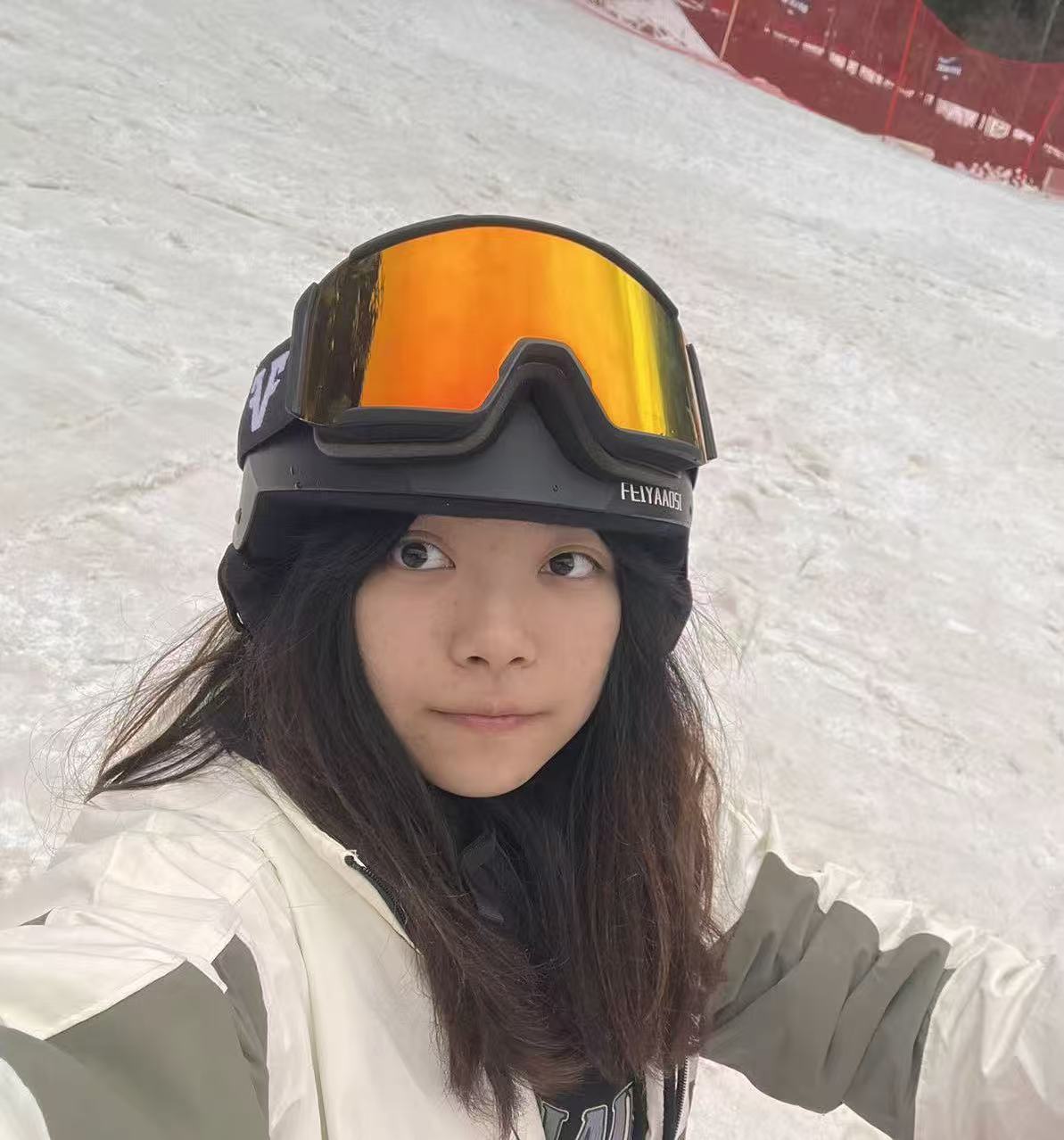
Shiyu Yan
Shiyu received her bachelor's degree in Biological Sciences from Hainan University in 2026. Her research focuses on computational analysis of large-scale single-cell and spatial omics data. She aims to integrate multimodal biological information with artificial intelligence approaches to uncover cellular heterogeneity, dissect disease-associated molecular mechanisms, and establish computational frameworks for understanding complex tissue ecosystems.
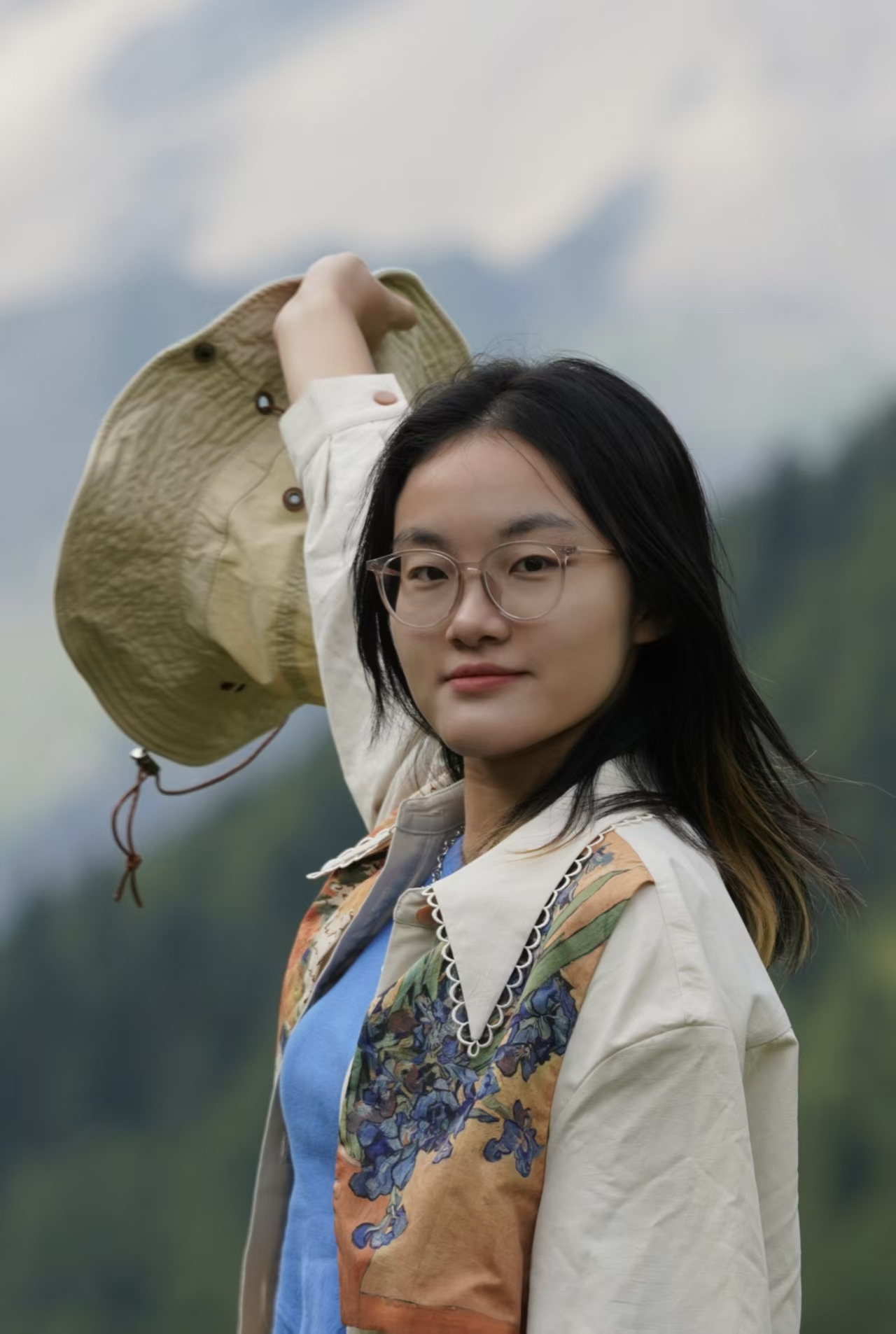
Xinyi Tang
Xinyi obtained her dual bachelor's degrees in Preventive Medicine and Software Engineering from Sichuan University in 2026. Her current research focuses on developing ScMultiAgent, an agent-based system for automated processing and database construction of single-cell multi-omics data, including data preprocessing, quality control, standardization, harmonization, and structured data organization. Her goal is to build scalable and reliable AI agents for efficiently transforming heterogeneous single-cell multi-omics datasets into standardized, analysis-ready databases.
Collaborating Students
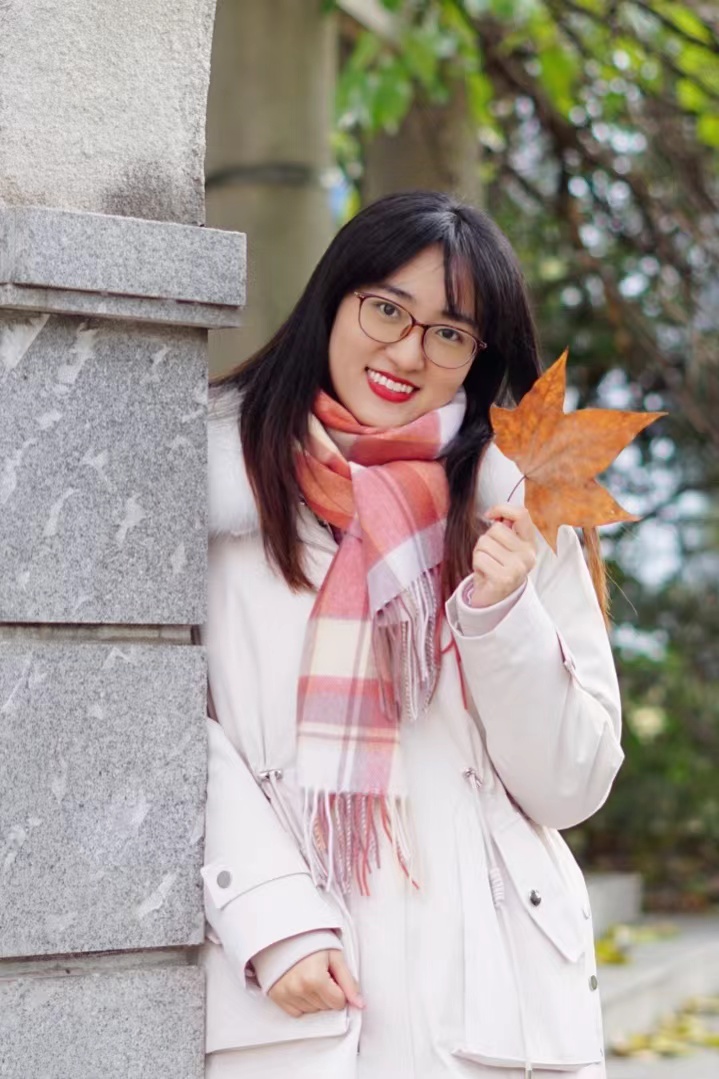
Zhanhe Chang
Zhanhe received her B.S. in Bioinformatics from Tianjin Medical University in 2020. She developed SCRIPro for gene regulatory network inference and SPRINT for spatial epigenome reconstruction using single-cell and spatial multi-omics data. She is also interested in RNA modification regulatory mechanisms and their application to early embryonic development. Her research will focus on three main directions including (1) developing spatial multi-omics/epigenomics methods and applying them to embryonic development and aging; (2) elucidating RNA-centered regulatory mechanisms underlying cell-state transitions in space and time; and (3) building AI-based frameworks that are repeat- and regulatory RNA–aware for network inference and therapeutic target discovery.
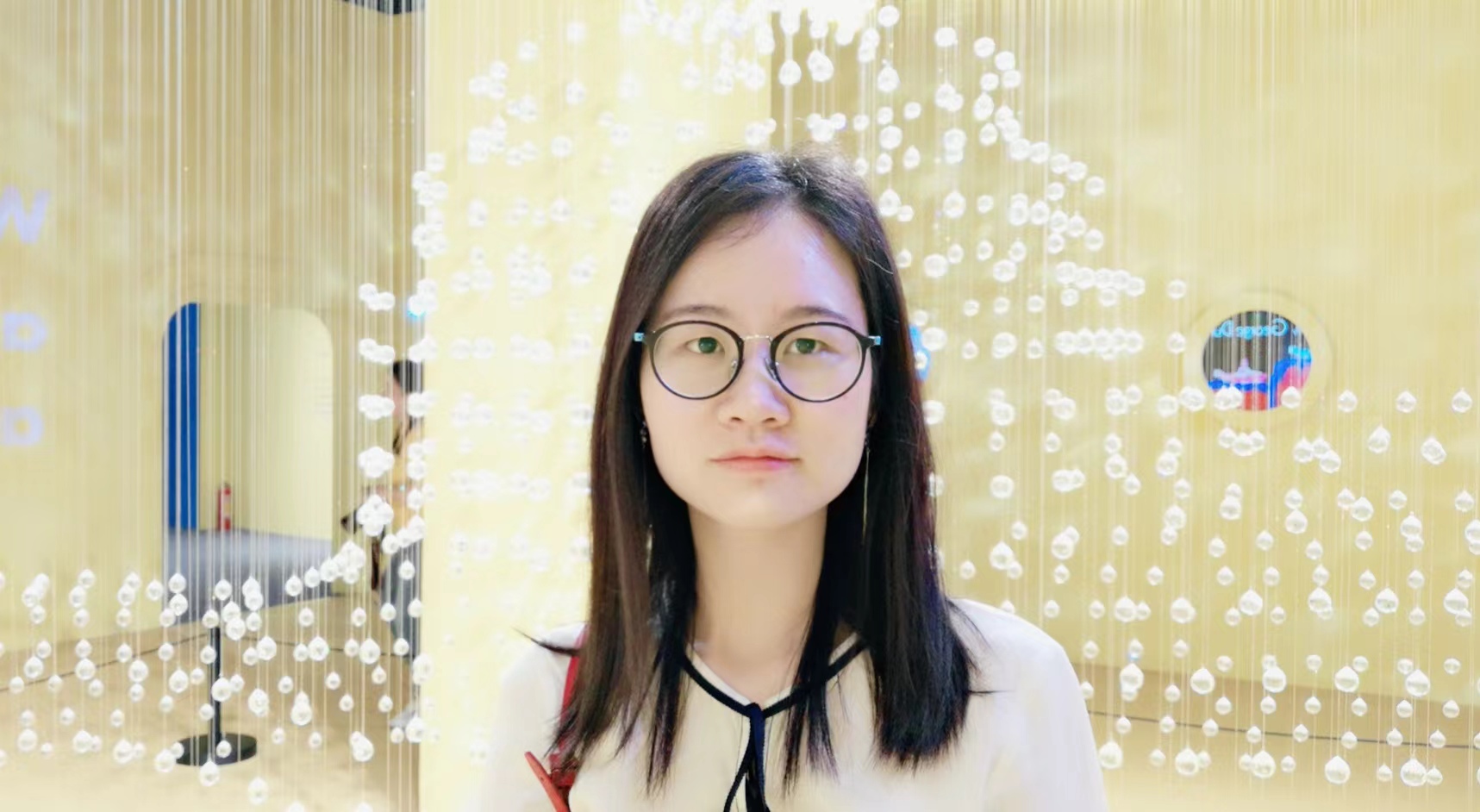
Xiyang Chen
Xiyang received her bachelor’s degree in Biology from Shaanxi Normal University in 2017. Her research focuses on developing computational algorithms for the analysis of data generated by novel single-cell epigenomic technologies, establishing a general-purpose and multifunctional analytical framework for processing single-cell conversion-based sequencing data, and elucidating dynamic changes in histone modifications during SCNT embryo development.
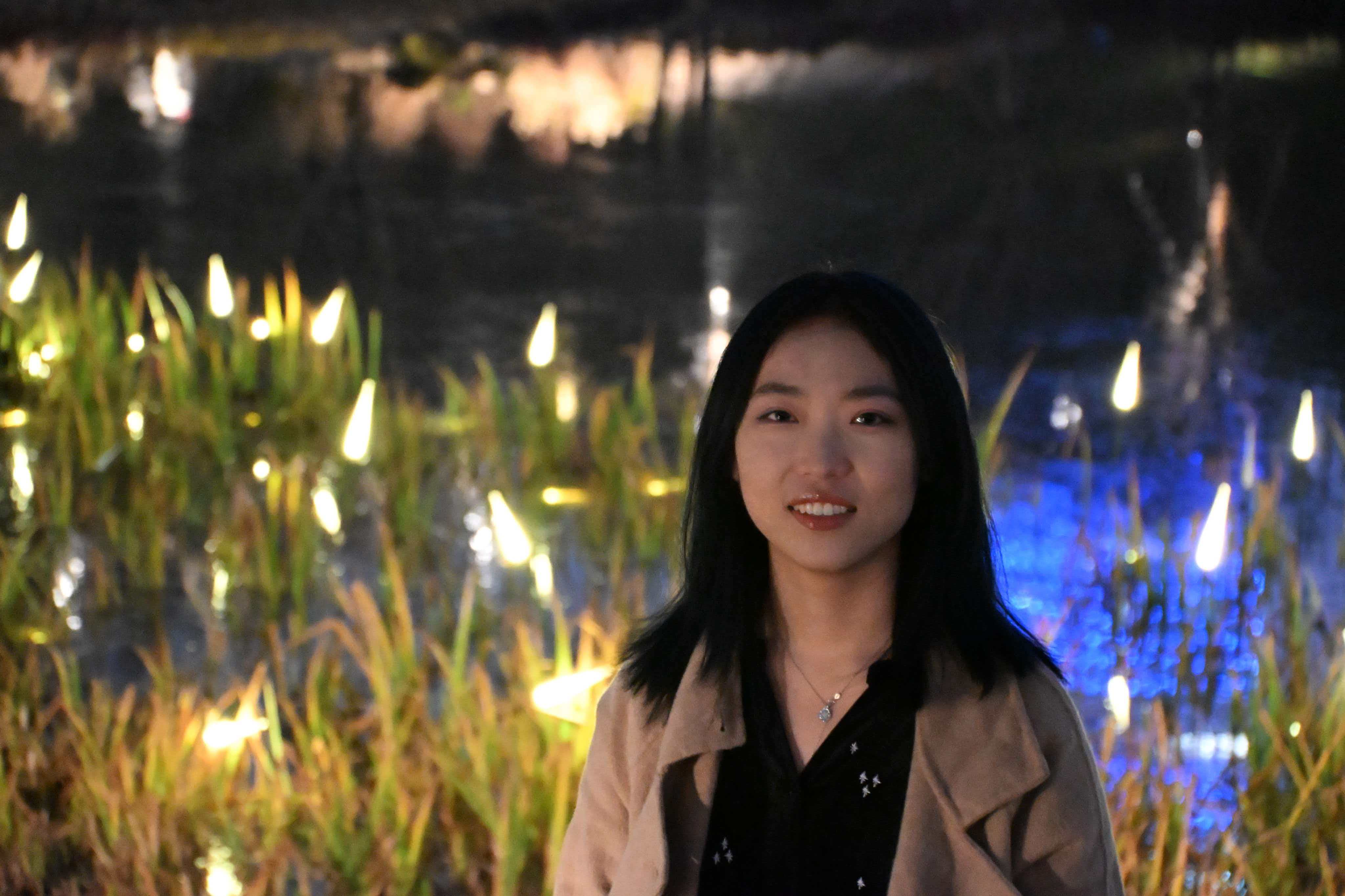
Ang Wu
Ang received her bachelor’s degree in Pharmaceutics from Tianjin Medical University in 2022. Her research focuses on developing footprint-based analytical methods to investigate TF grammar and gene regulatory networks in embryonic development.
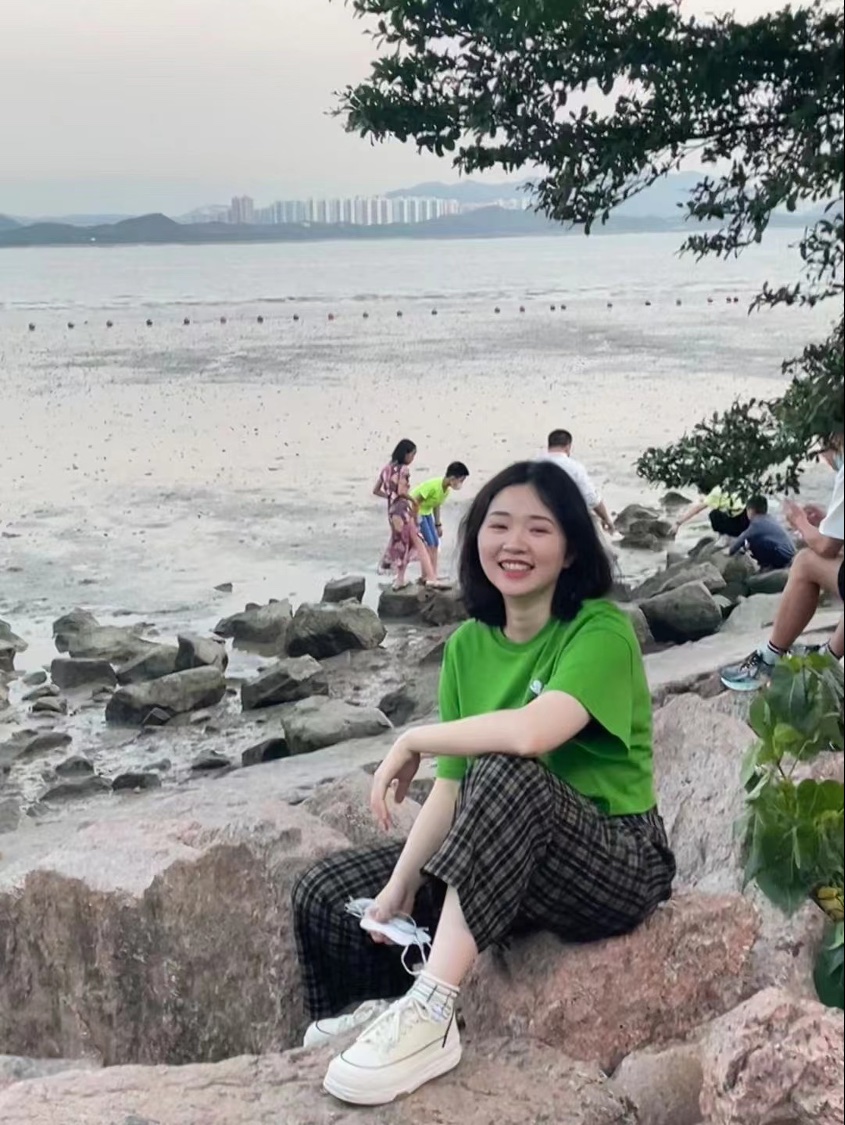
Yuhan Ren
Yuhan received her bachelor’s degree in Biology from Qingdao University in 2022. Her research focuses on gene regulatory mechanisms during early mouse embryonic implantation, with particular emphasis on the roles of m6A RNA modification and repetitive elements in regulatory networks. Specifically, she aims to elucidate the functions of m6A in post-transcriptional regulation—particularly its roles in mRNA stability and decay—and how these processes influence lineage specification and cell fate determination. In parallel, she investigates the regulatory potential of repetitive elements during early development, exploring how they contribute to gene expression regulation and developmental programs. Ultimately, her work seeks to uncover the complex, finely tuned molecular regulatory networks that underlie embryonic implantation.
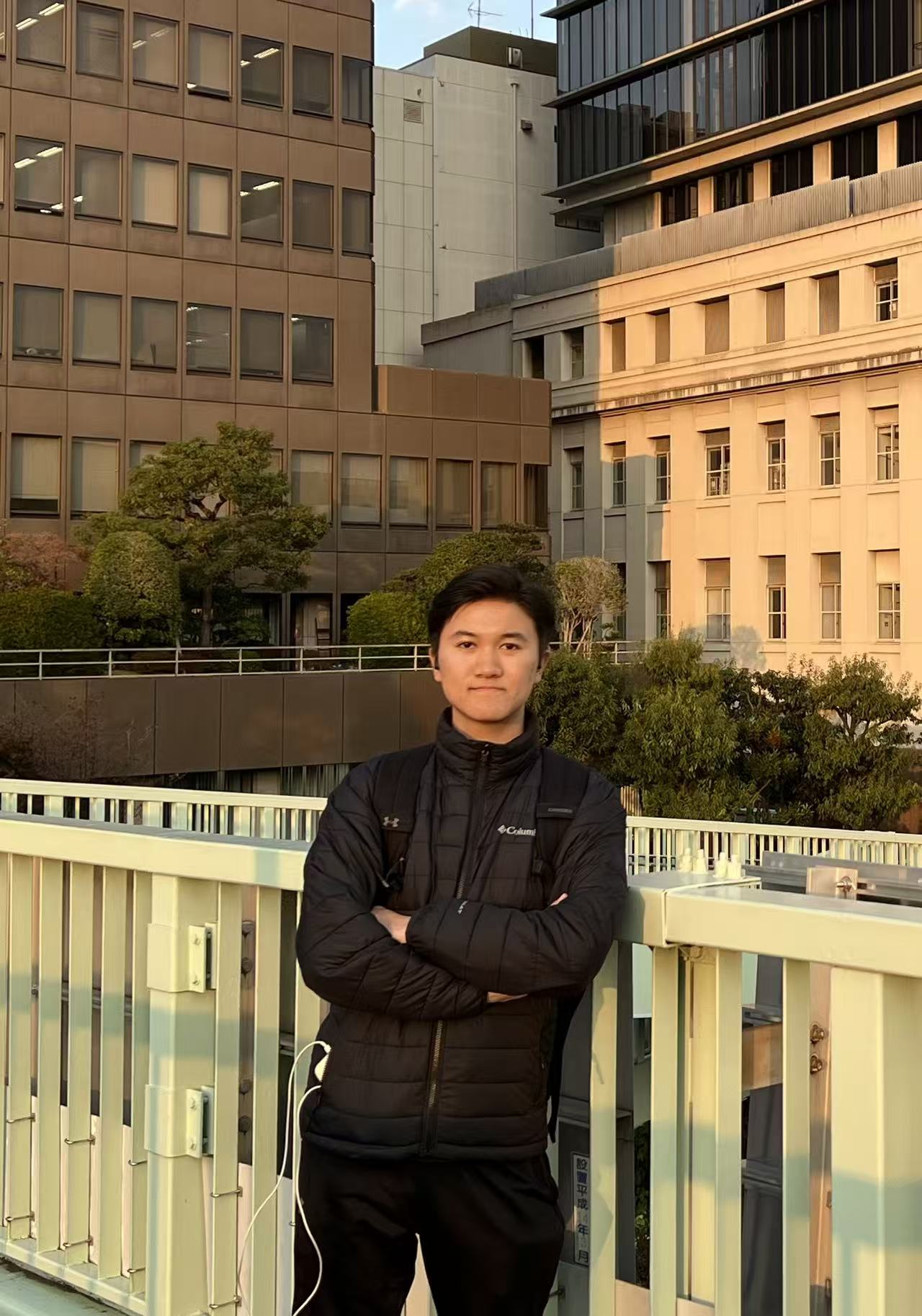
Yaojie Zhang
Yaojie received his bachelor’s degree in Clinical Medicine from Zhongshan Hospital, Shanghai Medical College, Fudan University in 2025. He is currently pursuing advanced studies in Thoracic Surgery, Oncology, and Bioinformatics at the Department of Thoracic Surgery, Shanghai Pulmonary Hospital, Tongji University. His research focuses on the basic and translational aspects of thoracic malignancies. By integrating institutional histopathology and sequencing datasets with comprehensive clinical annotations, he employs a cross-disciplinary approach that bridges bioinformatics and Artificial Intelligence for Science (AI4S). His overarching goal is to elucidate the molecular and cellular mechanisms underlying therapeutic response, drug resistance, and disease progression in lung cancer—enabling more accurate prognostic modeling and the identification of novel therapeutic targets.
Alumni
Students
- Luzhang Ji, Postdoc (2023-2026) Associate Research Fellow, CAS Center for Excellence in Molecular Cell Science
- Wenwen Shao, Master (2023-2026)
- Hailin Wei, PhD (2020-2026) Naval Medical University, Shanghai, China
- Dongqing Sun, PhD (2020-2024); RA (2024-2026), Postdoc in University of Health Network, Toronto, ON, Canada
- Xiaoying Shi, PhD (2020-2025) ByteDance, Shanghai, China
- Xin Dong, PhD (2020-2024);RA (2024-2025), Postdoc in University of Chicago, Chicago, IL, USA
- Yunfan Xu, Master (2021-2024) Phd in Fudan University, Shanghai, China
- Tong Han, PhD (2020-2023) Postdoc in BWH and Harvard Medical School, Boston, MA, USA
- Jiali Yue, Master (2020-2023) MedSci Healthcare, Shanghai, China
- Pengfei Ren, Master (2020-2022) Phd in Peking University, Beijing, China
Collaborating Students
- Junjie Hu, MD (2020-2025) The First People Hospital Of Yunnan Province, Kunming, Yunnan, China
- Yilv Yan, MD (2020-2024) Shanghai Pulmonary Hospital, Shanghai, China
- Liangdong Sun, MD (2020-2024) Shanghai Pulmonary Hospital, Shanghai, China
- Jin Wang, PhD (2020-2021) GV20 Oncotherapy, Shanghai, China